


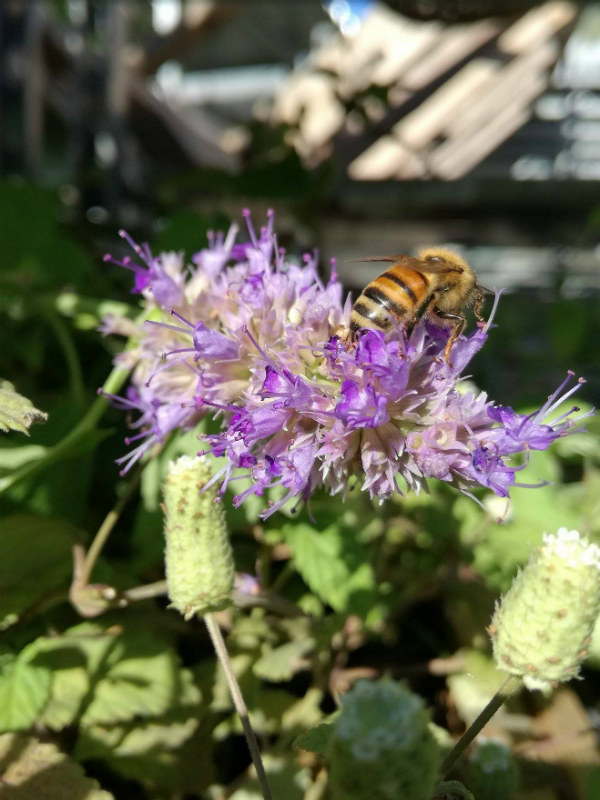
API and pollinating insects play a fundamental role in the ecosystems of the world, as a third of the food that acts as a sustenance depends directly on their tireless pollination work.
And if these important insects began to be gradually disappeared from the environments that surround us, what would be the consequences on food production? Who would pollinate crops? What would come on our tables?
A direct threat to our friends bees are definitely the insecticides. Through their use, widely widespread in agricultural areas under conventional regime, farmers make their crops grow and mature, thus keeping the threat constituted by insects in general "at bay". It is precisely these highly harmful products that however constitute a direct cause of the increasingly growing death of the pollinating insects.
Parallel to world agricultural systems, also i climate change that grow increasingly our planet constitute a concrete threat for pollinating insects. This as more and more often huge Meteorological disasters They put collected collected, crops and blooms at risk for these insects. This is how not only the pollination of the crops, not only the production of that product called honey, but also the pure sustenance That bees can find in the most fertile periods of the year risk in a concrete way of failing and being swept away.
And what can we do in our little one? We can really do Very. The plants are Work, resource and support For pollinating insects and we must not forget this. Indeed, let's focus on this and Let's save them with a flower!
There are many genres and interesting species for pollinating insects, which can give truly spectacular blooms. Example are common the thyme, the salvia, il rosemary, The ai o to mint. But it's not over here! The useful plants for these insects are really many, and we invite you to discover our new proposals for this autumn, such as Salvia 'Sensation White', Lamium maculatum ‘Anne Greenaway’, Rudbeckia Fulgida... and many others you find in the dedicated section Mellifere or interesting for pollinating insects!
Planting are not in the spring, but also in autumn these rustic species is still an excellent period, which will allow them to take root with the expenditure of less energies compared to the spring period, starting vigorous with the arrival of milder temperatures.


